
 281-336-8685

How Noise Pollution Shortens Our Lives
Exposure to noise is taking years of our lives. The World Health Organization estimates that 1 million years of life are collectively lost around the world each year from noise pollution alone. We’ve grown to accept noise as part of daily life in the modern world – which is exactly why noise pollution is a dangerous issue.
How Does Noise Affect Health?
Short and infrequent exposure to loud noise isn’t an issue. Our bodies are perfectly capable of handling that. Issues arise when we are subject to constant or frequent noise – even at night.
“You never turn your ears off; when you’re asleep, you’re still listening. So those responses, like your heart rate going up, that’s happening whilst you’re asleep” (BBC).
Excessive exposure to elevated noise can induce all of the following and more:
- High blood pressure
- Heart disease
- Diabetes
- Stress
- Hypertension
- Depression
- Sleep deprivation
Each of these symptoms can directly impact your lifespan, and are themselves detrimental to your quality of life in general.
How Noise Pollution Affects Children
In addition to all of the effects on adults, children have specific risks from noise pollution. Noise affects children even before birth – perhaps the most alarming risk is low birth weight, a condition which puts them at risk for:
- Respiratory problems
- Cerebral palsy
- Developmental delays
- Infections
- SIDS, and more
After birth, children who are subject to ongoing elevated noise experience learning delays due to the inability to focus. Hearing damage and other health problems from noise pollution build up over time; as such, a child in a noisy environment is being set up for a lifetime of risks.

How Much Noise is Too Loud?
You should strive to spend most of your time in an environment that is at or below an average of 55 dB to prevent health issues.
Measuring noise levels for the purpose of health and safety is done by averaging out your exposure to noise over a period of time. Additionally, it’s important to remember that decibels (dB) increase exponentially. For example: spending 10 hours in a workplace at 80 dB has the same effect as spending 1 hour in a 90 dB environment. We measure noise exposure this way because typical complications from noise pollution happen gradually over time.
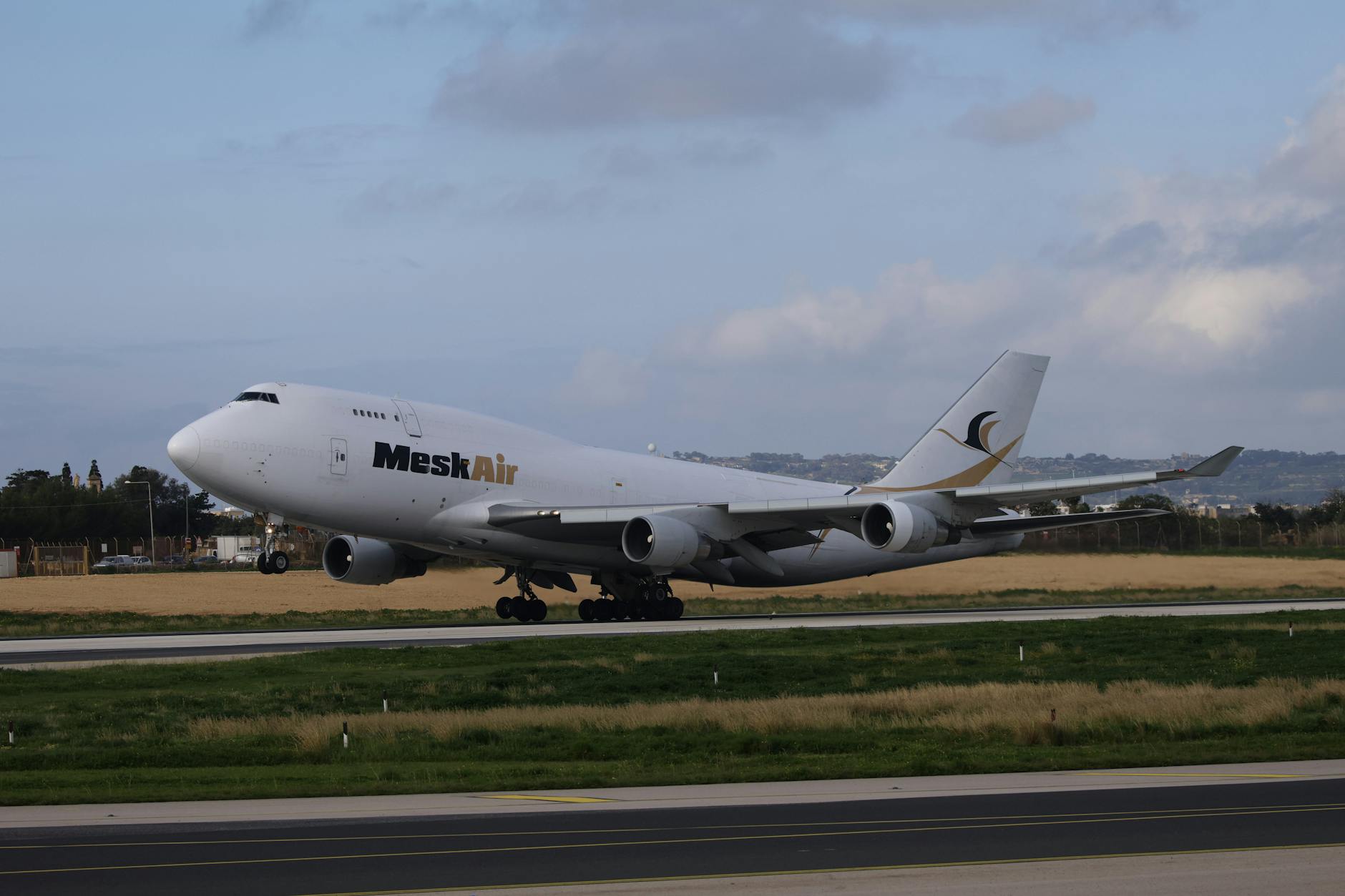
There are, of course, certain limits that are simply too loud for any period of exposure. NIHL, or noise-induced hearing loss, can occur instantly at 120 dB. Things like emergency sirens, gunshots, fireworks, and some motorcycles can reach levels at or above 120 dB. Other common things like airplanes and helicopters range between 85 dB and 105 dB.
The CDC guidelines for workplace noise allow for 8 hours of exposure to 85 dB. This is enough for potential hearing loss over time, and certainly enough for adverse health effects as described above. Because noise-related damage is measured by average exposure, keeping your home environment well below 55 dB can offset the long-term effects of a loud work or school environment.
As a global society, we know how noise harms children and adults, and have actively chosen to ignore the facts. This is an unfortunate example of the many ways the world’s policies and infrastructure have failed to keep up with research surrounding noise pollution.
Keep Your Family Safe From Noise Pollution
Policy reform for noise pollution isn’t going to happen overnight. In the meantime, it’s up to you to protect yourself and your loved ones from noise pollution. You could file a noise complaint; many cities, including Houston, Austin, and Dallas, even allow you to file noise complaints online.
There are, however, many situations in which this won’t solve your problem. Soundproofing your home or office is the most effective way to keep decibels to appropriate levels, and is an action you can take right now.
The windows in your home are the most likely entry point for the majority of noise. Even in a room protected with soundproofing insulation, a single window can let in enough noise to raise the volume to harmful levels. If you’re worried about noise levels but don’t want to undergo major construction to replace your windows, the easy solution is soundproof window inserts.
Sun and Sound Windows produces and installs soundproof window inserts that can block up to 95% of noise from outside, depending on the pitch. This turns loud traffic into a quiet whisper. They are minimally invasive, undetectable from the exterior of your home, and still allow you to use your windows normally if desired.
You deserve to live in comfort and safety. We’re here to help.
Call us or fill out our short online form to get a free estimate today.

