Noise sensitivity is becoming increasingly common. We already know that excessive noise is bad for your health. Living with constant noise from traffic or barking dogs raises your heart rate and makes you more likely to suffer from things like heart attacks and type 2 diabetes – even if the noise happens while you’re asleep.
However, did you know that some people are more sensitive to sound than others? Age is the most commonly understood risk factor for this – that’s why we strive to keep babies away from loud noises. But who else?
Some things that make you more sensitive to sound:
Various infections and diseases
Neurodevelopmental disorders
Previous ear damage or overexposure to sound
Chronic migraines
Certain medications
Read on to find out more about these factors – and what you can do to improve your wellbeing.
What Health Conditions Cause Noise Sensitivity?
1. Ear infections
It’s likely that you’ve had at least one ear infection in your lifetime.
Five out of six children will have at least one ear infection by their third birthday.
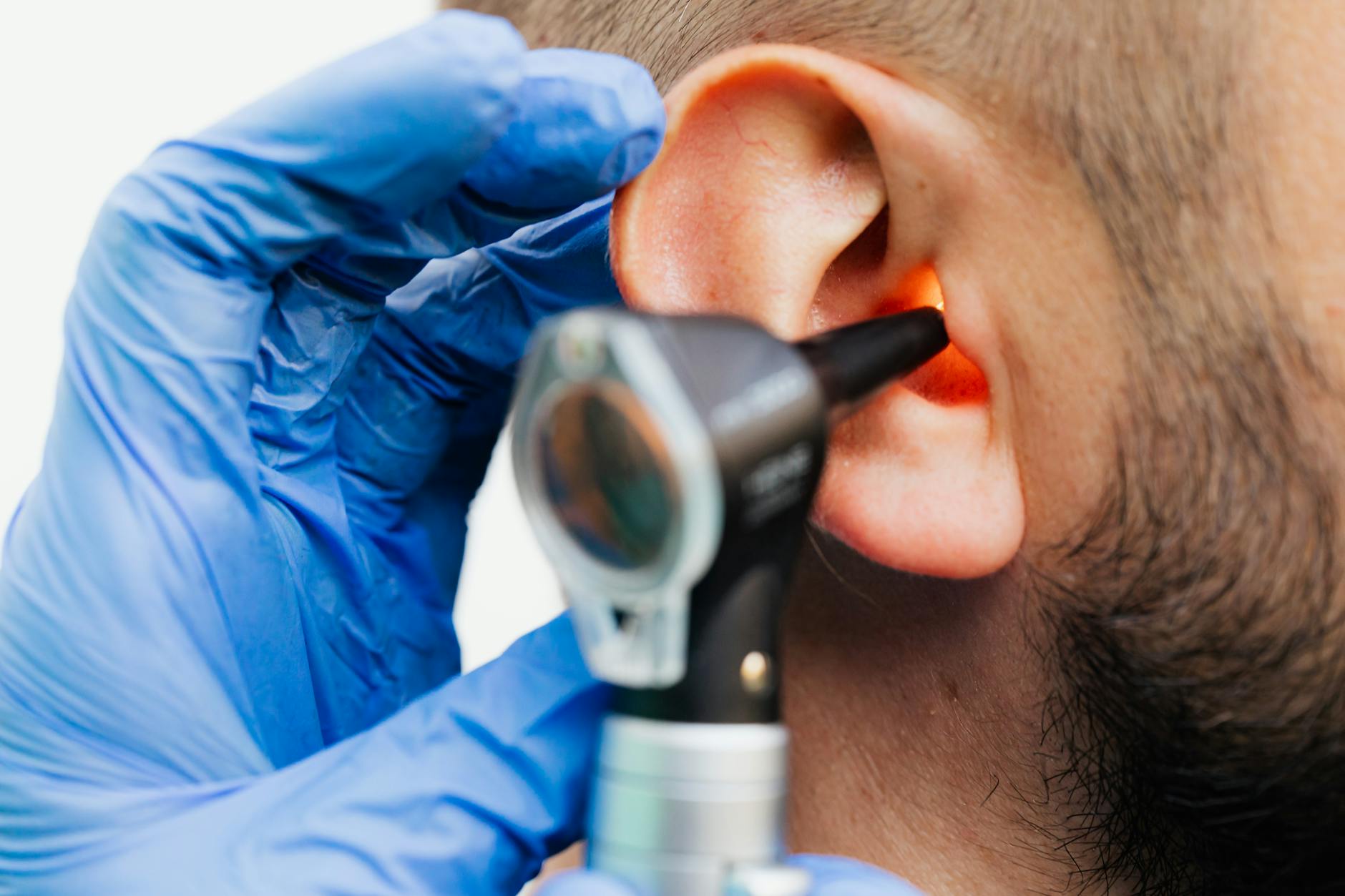
Ear infections can cause something known as hyperacusis – increased noise sensitivity. This can be short term, but can also last long after the ear infection has cleared up, especially if the infection caused damage to the ear. Multiple ear infections increase the likelihood of hyperacusis.
Though less common in Texas, it is still a concern, especially for those who travel.
3. TMJ Disorder
TMJ Disorder is a disorder of the joint that connects your jaw to your skull. There are many ways to get TMJ disorder and it is usually treatable, though some underlying conditions may make it harder to keep away.
This is an inner ear disease that is most common between ages 40 and 60. It causes vertigo, hearing loss, tinnitus, and ear pressure.
People who have Meniere’s disease may develop hyperacusis or have distorted hearing, likely from the pressure buildup.
5. COVID
People who have COVID-19 may have hyperacusis while infected. This can also linger after treatment, especially for long COVID. It has also been known to cause emotional instability, which can make noise sensitivity even worse.
6. Bell’s Palsy
This is a disorder that causes temporary paralysis of the muscles in half of your face. It can be brought on by viral infections, like COVID. The ear on the side experiencing the paralysis is likely to be sensitive to noise.
How Do Disorders Like ADHD & Autism Affect Noise Sensitivity?
Disorders like ADHD, autism, OCD, anxiety, and others tend to come with sensitivity to noise. It’s not always about the volume, though. The most common noise-related issues for these disorders are:
Hyperacusis – sensitivity to noise, even at a normal volume
Sensory overload – too much stimulation from the environment
Misophonia – intense reactions to specific sounds, like chewing
Phonophobia – an emotional and involuntary response to sounds
Overstimulation is not limited to just noise, but noise is often a major factor, especially in environments with many conflicting noises – like living near a busy road, or having loud neighbors.
ADHD and autism are often grouped as sensory processing disorders, or SPD. The underlying cause of overstimulation may be different, but the result is similar.
Phonophobia and misophonia are often confused with each other, and sometimes confused with generalized anxiety disorder (GAD). These are three distinct conditions that may occur together. In fact, anxiety and misophonia may cause phonophobia, and all of these conditions can contribute to sensory overload.
Migraine sufferers have a tense relationship with noise. Unexpected loud noises, overlapping noises, and even specific noises can cause a migraine attack. They can also make an ongoing migraine worse.
This may cause you to develop phonophobia that lasts even after the migraine ends.
Previous overexposure to sound
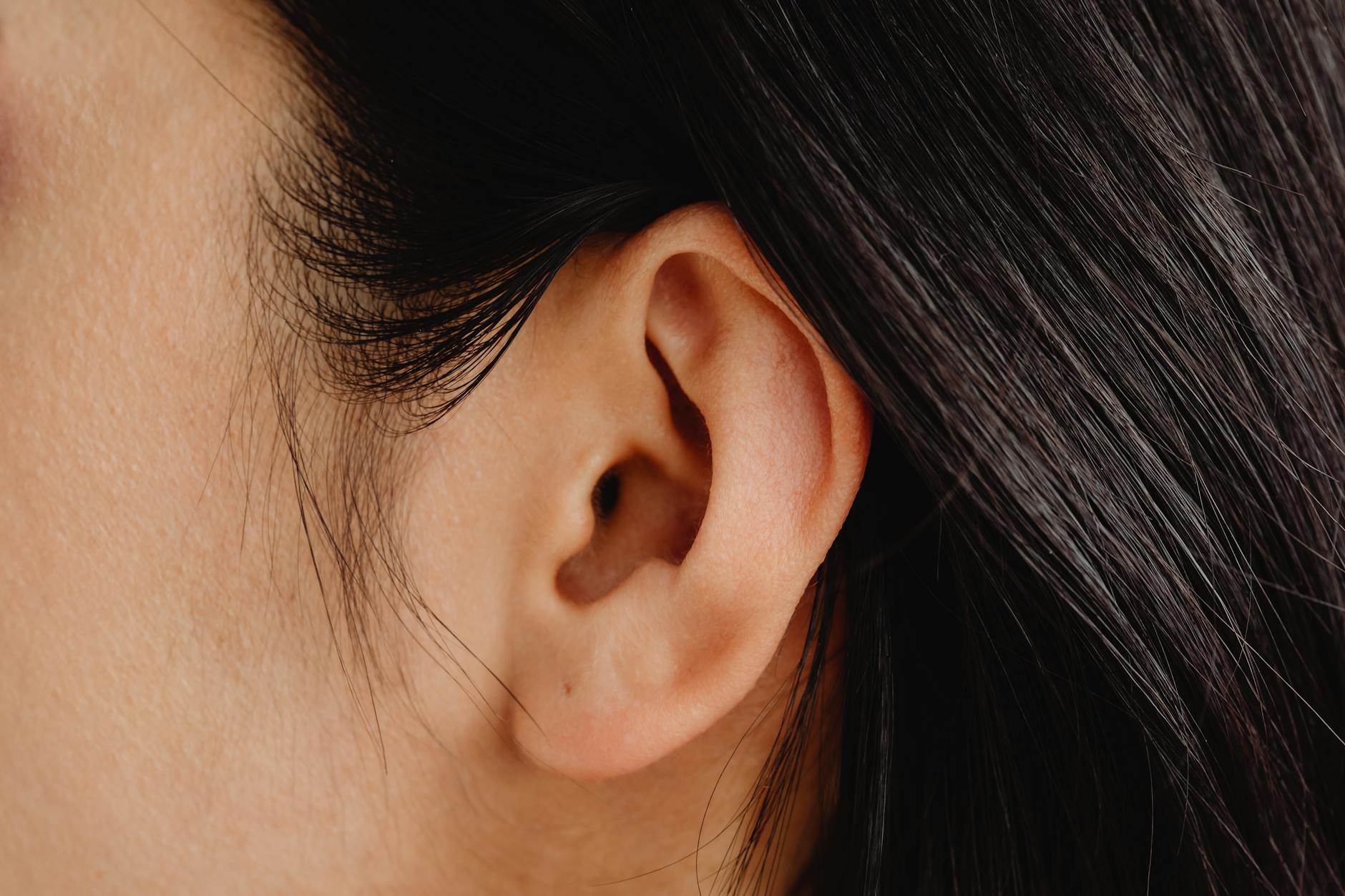
Exposure to loud noise over a long period of time can cause damage to the cochlea. The cochlea is a structure in your ear that is filled with fluid. It’s a sensory organ that turns sound into information for your brain.
Any kind of injury resulting in damage to the inner or outer ear may cause noise sensitivity. Your ear is an intricate and delicate organ. Some parts of the ear cannot recover from damage, and result in a lifetime of hyperacusis.
Damage can be from things like sudden loud noises (i.e. gunshots or a ship horn) or physical trauma to the ear.
Head injury
Head trauma may cause or worsen hyperacusis. This usually happens when the auditory processing center of the brain is damaged.
Hearing loss and noise sensitivity are more likely when ototoxicity is paired with other factors, like ongoing exposure to loud noise.
Dealing With Noise Sensitivity At Home
Hyperacusis and similar hearing conditions have a constant effect on your daily life. Having a quiet space to relax in is important. This is true for both physical and mental health.
If you live near a busy road, noisy neighbors, or anything else making noise outside, soundproofing your home will greatly improve your standard of living.
The best place to start is with soundproof window inserts. These are low-construction add-ons to your existing windows that trap and diffuse sound before it enters your home. We manufacture and install window inserts in Texas.
Take a few minutes to see if you’re in our service area and get a free estimate!
Exposure to noise is taking years of our lives. The World Health Organization estimates that 1 million years of life are collectively lost around the world each year from noise pollution alone. We’ve grown to accept noise as part of daily life in the modern world – which is exactly why noise pollution is a dangerous issue.
How Does Noise Affect Health?
Short and infrequent exposure to loud noise isn’t an issue. Our bodies are perfectly capable of handling that. Issues arise when we are subject to constant or frequent noise – even at night.
“You never turn your ears off; when you’re asleep, you’re still listening. So those responses, like your heart rate going up, that’s happening whilst you’re asleep” (BBC).
Excessive exposure to elevated noise can induce all of the following and more:
High blood pressure
Heart disease
Diabetes
Stress
Hypertension
Depression
Sleep deprivation
Each of these symptoms can directly impact your lifespan, and are themselves detrimental to your quality of life in general.
How Noise Pollution Affects Children
In addition to all of the effects on adults, children have specific risks from noise pollution. Noise affects children even before birth – perhaps the most alarming risk is low birth weight, a condition which puts them at risk for:
After birth, children who are subject to ongoing elevated noise experience learning delays due to the inability to focus. Hearing damage and other health problems from noise pollution build up over time; as such, a child in a noisy environment is being set up for a lifetime of risks.
Measuring noise levels for the purpose of health and safety is done by averaging out your exposure to noise over a period of time. Additionally, it’s important to remember that decibels (dB) increase exponentially. For example: spending 10 hours in a workplace at 80 dB has the same effect as spending 1 hour in a 90 dB environment. We measure noise exposure this way because typical complications from noise pollution happen gradually over time.
There are, of course, certain limits that are simply too loud for any period of exposure. NIHL, or noise-induced hearing loss, can occur instantly at 120 dB. Things like emergency sirens, gunshots, fireworks, and some motorcycles can reach levels at or above 120 dB. Other common things like airplanes and helicopters range between 85 dB and 105 dB.
The CDC guidelines for workplace noise allow for 8 hours of exposure to 85 dB. This is enough for potential hearing loss over time, and certainly enough for adverse health effects as described above. Because noise-related damage is measured by average exposure, keeping your home environment well below 55 dB can offset the long-term effects of a loud work or school environment.
As a global society, we know how noise harms children and adults, and have actively chosen to ignore the facts. This is an unfortunate example of the many ways the world’s policies and infrastructure have failed to keep up with research surrounding noise pollution.
Keep Your Family Safe From Noise Pollution
Policy reform for noise pollution isn’t going to happen overnight. In the meantime, it’s up to you to protect yourself and your loved ones from noise pollution. You could file a noise complaint; many cities, including Houston, Austin, and Dallas, even allow you to file noise complaints online.
There are, however, many situations in which this won’t solve your problem. Soundproofing your home or office is the most effective way to keep decibels to appropriate levels, and is an action you can take right now.
The windows in your home are the most likely entry point for the majority of noise. Even in a room protected with soundproofing insulation, a single window can let in enough noise to raise the volume to harmful levels. If you’re worried about noise levels but don’t want to undergo major construction to replace your windows, the easy solution is soundproof window inserts.
Sun and Sound Windows produces and installs soundproof window inserts that can block up to 95% of noise from outside, depending on the pitch. This turns loud traffic into a quiet whisper. They are minimally invasive, undetectable from the exterior of your home, and still allow you to use your windows normally if desired.
You deserve to live in comfort and safety. We’re here to help.
Call us or fill out our short online form to get a free estimate today.
Sleep hygiene is essential for maintaining good health, but most people admit they’re not getting enough of it. Poor sleep habits are such a massive problem in America and many cases are due to lack of resources that effectively block out noise. According to a study by the CDC, 1 in 3 adults suffer from sleep deprivation. While everyone knows lack of sleep causes drowsiness, slows reaction time, and dulls mental ability, it is the other significant health risks that are the most dangerous. Poor sleeping patterns over an extended period can lead to an increased chance of obesity, dementia, type 2 diabetes, and certain cancers.
While most people find the necessary time to take care of themselves by eating correctly and exercising, maintaining proper sleep hygiene is low on the list of priorities. Change that and regain energy and improve your health with better sleep. You can get started by using this handy sleep hygiene checklist.
Six Things You Can Do to Improve Your Sleep
Set a Strict Sleeping Schedule
Your body works best when you maintain a routine. Eating, exercising, and sleeping are just a few of the activities that you should schedule every day. Having a reasonable bedtime and sticking to it (yes, even on the weekend and holidays) is one of the best ways to prevent insomnia and increase the quality of your sleep. Don’t forget to set the alarm for the same time. Oversleeping can affect the way we feel, too.
Don’t Lounge in Bed
Using your bed as a place to curl up and read or watch TV isn’t such a great idea. Doing activities where your mind is alert and working hard trains your body that your bed is for more than sleeping. If possible, it is best to stay out of your bedroom entirely during the day. Engaging in stressful activities, like a job or schoolwork, in your bedroom can be detrimental to getting quality rest at night.
Say Goodbye to Screens
Many people watch TV or check their social media and email accounts right before getting ready to go to sleep. Avoiding screens for an hour before bedtime is smart for everyone but particularly important for anyone with a history of sleeping issues. Some experts suspect that the blue light emitted by screens lowers melatonin production. This is a huge problem since melatonin is beneficial for helping people to fall asleep.
Mentally Prepare Yourself for Bedtime
A standard bedtime routine is good for kids, but it can also help adults. By turning washing your face and brushing your teeth into a ritual, you can subconsciously shift your brain from active mode to sleep mode. If you need a little more direct help, try meditation or a calming breathing technique to dispel anxiety before getting under the covers.
Don’t Overindulge in the Evening
It is best to stop eating three to four hours before going to bed. Try to stop drinking an hour before sleeping. Doing this will help ensure you won’t need to make a late-night trip to the bathroom. While you should never drink too much alcohol at any time, consuming a stiff drink right before bedtime may help you drift off to sleep quicker, but the quality of sleep isn’t as good and may lead to a nasty headache the following day.
Block Outside Noise
Whether you are working the swing shift or live near a busy road, falling and staying asleep is tough when it’s loud outside. Noise disrupts sleep and can cause health issues beyond the typical grogginess linked to sleepless nights. But you don’t have to suffer when there’s a simple solution. Soundproof window inserts can eliminate up to 95% of outside noise, and you don’t even have to replace your current windows. Sleep soundly and get the better sleep you deserve with Soundproof Window Inserts.
Soundproof Window Inserts from Sun & Sound
Our window inserts are quarter-inch thick, laminated glass panels that slide seamlessly between your existing windows and window treatment. They’re available in various sizes, colors, and configurations to suit your home’s interior. You can even add tinting if you prefer to block more sun.
Don’t go another sleepless night. To find out more about Soundproof window inserts or schedule an appointment, call one of the numbers in the banner, or use our online form to get a free estimate. We have locations serving the Houston, Dallas, and Austin metro areas.
If you’re stressed by the daily grind, knowing how to create a peaceful home is key for your health and comfort. It just takes a few touches and removing some distracting clutter, including the clutter of noise, to enhance the feeling of pride and happiness in your home.
Take some time to write down what you want in the atmosphere of your home. Why? Because a peaceful home doesn’t just happen. It’s something you seek and create deliberately.
Here are some ideas to inspire you on how to create a peaceful home where you look forward to unwinding at the end of the day.
Aromatherapy: Make Your Home a Sanctuary
If you love candles, check the discount area of your nearest big box store for markdowns. Avoid candles that are super cheap to begin with, because with candles you get what you pay for. Some people, especially if they live with pets or children, prefer an option that’s free of unwanted chemicals or extra ingredients. Consider therapeutic grade essential oils. They are gently emitted through a diffuser — which, unlike a candle, will last in your home indefinitely.
The essential oil of eucalyptus is bracing. Tea tree is soothing. Frankincense is stress-relieving.
You can even create your own mood, with the perfect blend of soothing oils. Use peppermint and rosemary with a citrus oil such as lemon or orange, for a natural energy boost. For a balanced sense of uplift and calm, try blending a few drops each of lemongrass and lavender.
Share Your Space With Succulents
Even one plant can bring a feeling of peace into a room. Thank goodness for little cacti and succulents: adorable, hardy and delightfully low-maintenance.
Although plants ingest carbon dioxide and give off life-giving oxygen in the daytime, photosynthesis is on hold at night, and the effect is reversed. In contrast, succulents do give off oxygen at night, so they are good for your bedroom or your kids’ rooms, They can help support a good night’s sleep.
Work With What You Have to Create a Peaceful Home
Warm rooms in our southern regions, whether Texas or Tennessee, are perfect for ferns, succulents and cacti.
Bring the peaceful traits of plants into your home or office space by decorating space near windows with succulents.
Use what you have! Re-purpose an old work ladder and let succulents grow and drape themselves over every step. Take cuttings from one succulent to grow more.
To preserve root health, water plants from a saucer or liner placed under pots with drainage holes. Then, let the sunlight flow into your space, nourishing your plants and yourself. Open the windows when you can. Portable fans can support a breeze and imbue your home with a sense of cool refreshment.
Tea Is a Classic Soother
If you happen to enjoy tea, sipping it is a subtle way to increase the peace at home year-round. Look for vintage spice and tea cabinets on Etsy to find a charmer.
Does anything redeem a wet, chilly evening like hot tea, a throw draped over a sofa and a book?
And on summer and fall days, what could be more delightful than a glass pitcher of iced green tea? Brewed at the strength to hold up to ice, green tea or sencha tea comes out with a rich yellow hue. Enjoy it on its own over ice, or garnish your glass with a slice of lemon and a few mint leaves.
Make a bright and rosy, caffeine-free hibiscus iced tea if you have children. Hibiscus tea comes in convenient packets, and can be found at big grocery stores and smaller health food stores.
Enjoy this age-old, borderless ritual and infuse your home with positivi-tea!
Treasure Your Peace and Quiet
Noise and relaxation can’t coexist. If you wonder how to create a peaceful home, the noise must go.
Research carried out at the School of Public Health at the University of Michigan, Ann Arbor, showed how noisy space heighten people’s risk of hearing loss. It even raises their risk of developing hypertension or suffering strokes.
Some 104 million people experience average sound louder than 70 decibels, which puts them at risk. Think about this if your TV is always on or your home is full of loud toys, shouting and barking.
Ditto if you live in a home under an air traffic pattern or in a development where landscaping or loud traffic is common. People living or working near sports arenas, bars and restaurants may be ingesting a daily dose of unhealthful noise through their windows.
Making physical alterations, such as the installation of reinforced glass, is one of the best preventative actions you can take.
You can create a quiet oasis by modifying the sound levels in your own home. Once you’re mindful of keeping the indoor noise down, you’ll start noticing sounds from outside. This noise comes into your space through and around windows. Protect your peace and quiet and improve the overall insulation of your home with soundproof window inserts installed into your replacement windows.
We transform homes and offices into peaceful spaces with best-in-class Sun and Sound soundproofing window inserts. At Sun and Sound Windows, we also work with what you have: your existing single-pane or double-pane windows. We can even soundproof your arched windows.
Your new, soundproof inserts will be slim and discrete and will not change the aesthetics of your home. We swiftly install the laminated glass inserts between your window your shades, blinds, shutters or curtains. We need not replace or change your existing windows at all.
How to Create a Peaceful Home With Sun and Sound Inserts
Overnight, your new inserts can block up to 75 percent of the noise from commercial vehicles, air conditioning compressors and other low-pitched sounds, and up to 95 percent of the high-pitched noises you currently tolerate. Enjoy the comfort of being home without those distractions and irritants.
Window inserts make hot rooms, or rooms with excessive sun glare, more comfortable. And with your energy savings, the investment in window inserts starts to pay for itself the day of installation.
Sun and Sound Windows is proud to serve the cities and suburbs of Houston, Galveston, Austin, Dallas and Fort Worth, Texas. If you wonder how to create a peaceful home, a simple step is to contact us to set up an appointment with our technicians or call us to get an estimate. Then relax! We’ve got you covered.
Sun and Sound Windows uses cookies to improve functionality and to better understand how you use our site, so that we can provide the best possible user experience. By continuing to use our site, you accept our use of cookies and our privacy policy.

 281-336-8685