
 281-336-8685

Noise sensitivity is becoming increasingly common. We already know that excessive noise is bad for your health. Living with constant noise from traffic or barking dogs raises your heart rate and makes you more likely to suffer from things like heart attacks and type 2 diabetes – even if the noise happens while you’re asleep.
However, did you know that some people are more sensitive to sound than others? Age is the most commonly understood risk factor for this – that’s why we strive to keep babies away from loud noises. But who else?
Some things that make you more sensitive to sound:
- Various infections and diseases
- Neurodevelopmental disorders
- Previous ear damage or overexposure to sound
- Chronic migraines
- Certain medications
Read on to find out more about these factors – and what you can do to improve your wellbeing.
What Health Conditions Cause Noise Sensitivity?
1. Ear infections
It’s likely that you’ve had at least one ear infection in your lifetime.
Five out of six children will have at least one ear infection by their third birthday.
– National Institute on Deafness and Other Communication Disorders
Ear infections can cause something known as hyperacusis – increased noise sensitivity. This can be short term, but can also last long after the ear infection has cleared up, especially if the infection caused damage to the ear. Multiple ear infections increase the likelihood of hyperacusis.
2. Lyme Disease
This disease is caused by bacteria carried by ticks. A study published in 1999 found that almost half of all people infected with late-stage Lyme disease suffered from hyperacusis, sometimes severe enough to make the volume of normal human speech unbearable. The effects of this disease can be permanent.
Though less common in Texas, it is still a concern, especially for those who travel.

3. TMJ Disorder
TMJ Disorder is a disorder of the joint that connects your jaw to your skull. There are many ways to get TMJ disorder and it is usually treatable, though some underlying conditions may make it harder to keep away.
TMJ can cause tinnitus and increased sensitivity to sound. Worse cases, or cases that go untreated for a long time, tend to cause more noise sensitivity.
4. Meniere’s Disease
This is an inner ear disease that is most common between ages 40 and 60. It causes vertigo, hearing loss, tinnitus, and ear pressure.
People who have Meniere’s disease may develop hyperacusis or have distorted hearing, likely from the pressure buildup.
5. COVID
People who have COVID-19 may have hyperacusis while infected. This can also linger after treatment, especially for long COVID. It has also been known to cause emotional instability, which can make noise sensitivity even worse.
6. Bell’s Palsy
This is a disorder that causes temporary paralysis of the muscles in half of your face. It can be brought on by viral infections, like COVID. The ear on the side experiencing the paralysis is likely to be sensitive to noise.
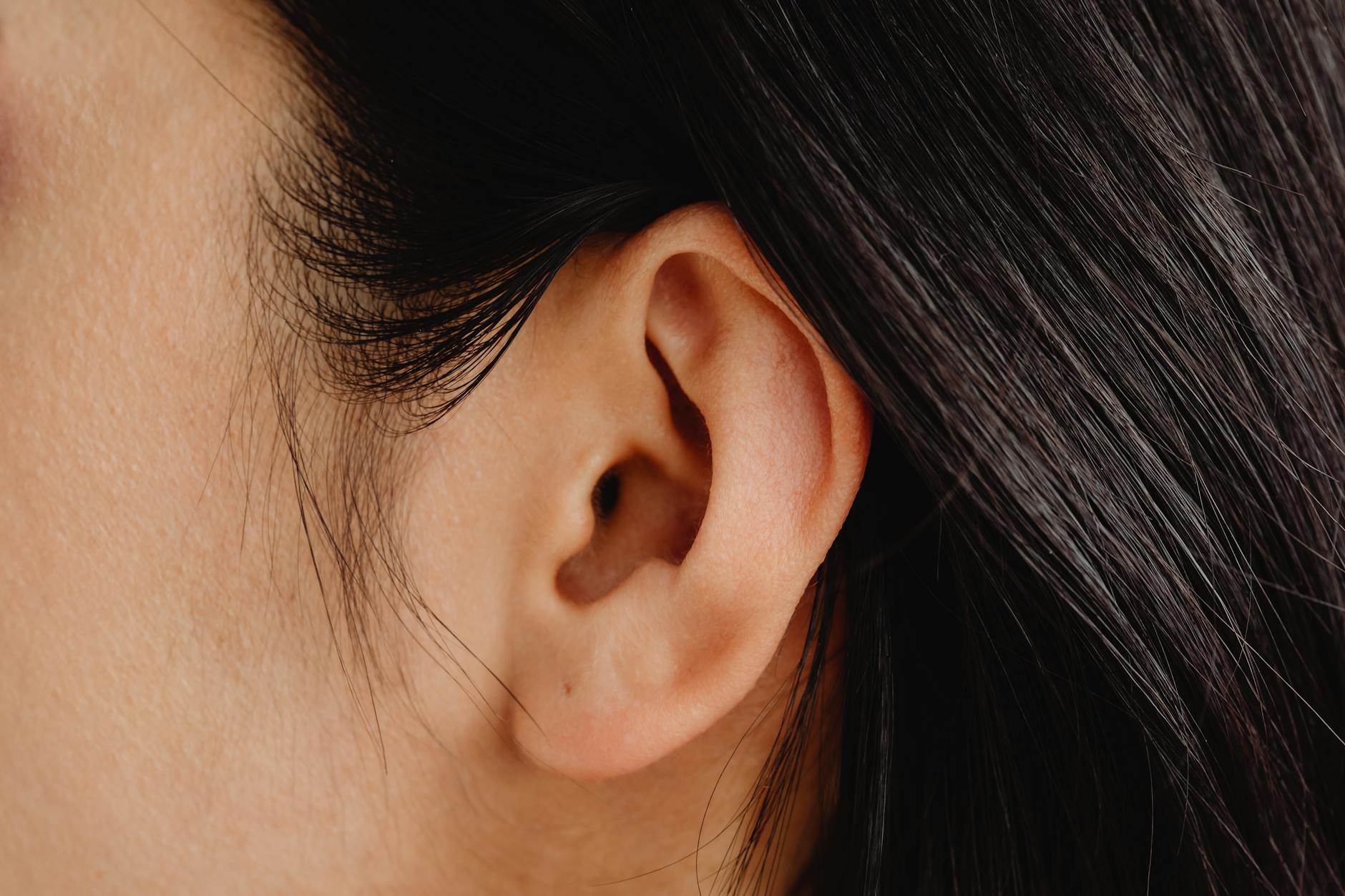
How Do Disorders Like ADHD & Autism Affect Noise Sensitivity?
Disorders like ADHD, autism, OCD, anxiety, and others tend to come with sensitivity to noise. It’s not always about the volume, though. The most common noise-related issues for these disorders are:
- Hyperacusis – sensitivity to noise, even at a normal volume
- Sensory overload – too much stimulation from the environment
- Misophonia – intense reactions to specific sounds, like chewing
- Phonophobia – an emotional and involuntary response to sounds
Sensory overload, or overstimulation, is common for people with ADHD and autism. This is a physiological response to having too much stimulation from your environment, or being stimulated for too long. Symptoms include headaches, nausea, stress, irritability, panic attacks, and emotional dysregulation.
Overstimulation is not limited to just noise, but noise is often a major factor, especially in environments with many conflicting noises – like living near a busy road, or having loud neighbors.
ADHD and autism are often grouped as sensory processing disorders, or SPD. The underlying cause of overstimulation may be different, but the result is similar.
Phonophobia and misophonia are often confused with each other, and sometimes confused with generalized anxiety disorder (GAD). These are three distinct conditions that may occur together. In fact, anxiety and misophonia may cause phonophobia, and all of these conditions can contribute to sensory overload.
People with ADHD, autism, and many other disorders are more likely to have misophonia.
Hyperacusis is common for people with trauma-induced neurological disorders, including:
- Anxiety (GAD)
- Depression (MDD)
- Obsessive-Compulsive Disorder (OCD)
- Post-Traumatic Stress Disorder (PTSD)
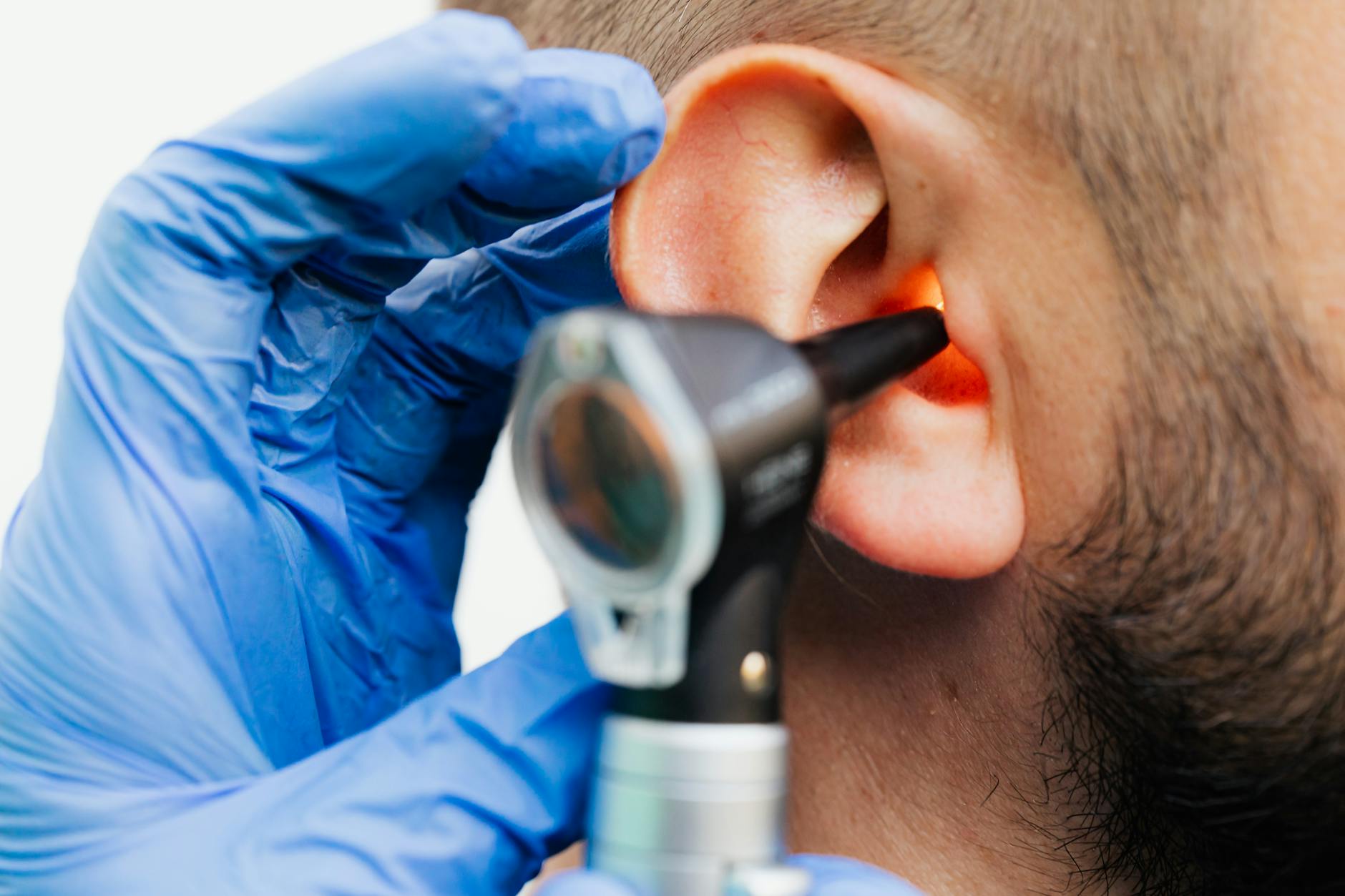
5 Other Things that Make You Vulnerable to Noise
- Chronic migraines
Migraine sufferers have a tense relationship with noise. Unexpected loud noises, overlapping noises, and even specific noises can cause a migraine attack. They can also make an ongoing migraine worse.
This may cause you to develop phonophobia that lasts even after the migraine ends.
- Previous overexposure to sound
Exposure to loud noise over a long period of time can cause damage to the cochlea. The cochlea is a structure in your ear that is filled with fluid. It’s a sensory organ that turns sound into information for your brain.
Someone with a damaged cochlea is likely to develop hyperacusis.
- History of ear damage
Any kind of injury resulting in damage to the inner or outer ear may cause noise sensitivity. Your ear is an intricate and delicate organ. Some parts of the ear cannot recover from damage, and result in a lifetime of hyperacusis.
Damage can be from things like sudden loud noises (i.e. gunshots or a ship horn) or physical trauma to the ear.
- Head injury
Head trauma may cause or worsen hyperacusis. This usually happens when the auditory processing center of the brain is damaged.
More than 50% of individuals with traumatic brain injury may have an auditory processing disorder.
- Medication
This is not medical advice. Consult your doctor if you are concerned about your medication.
Some medications can cause damage to the ear. When this is caused by a chemical or medication, it’s called ototoxicity. These medications include:
- High doses of ibuprofen or aspirin
- Strong antibiotics
- Diuretics
- Antidepressants
- Decongestants
- Chemotherapy drugs
Hearing loss and noise sensitivity are more likely when ototoxicity is paired with other factors, like ongoing exposure to loud noise.
Dealing With Noise Sensitivity At Home
Hyperacusis and similar hearing conditions have a constant effect on your daily life. Having a quiet space to relax in is important. This is true for both physical and mental health.
If you live near a busy road, noisy neighbors, or anything else making noise outside, soundproofing your home will greatly improve your standard of living.
The best place to start is with soundproof window inserts. These are low-construction add-ons to your existing windows that trap and diffuse sound before it enters your home. We manufacture and install window inserts in Texas.
Take a few minutes to see if you’re in our service area and get a free estimate!


